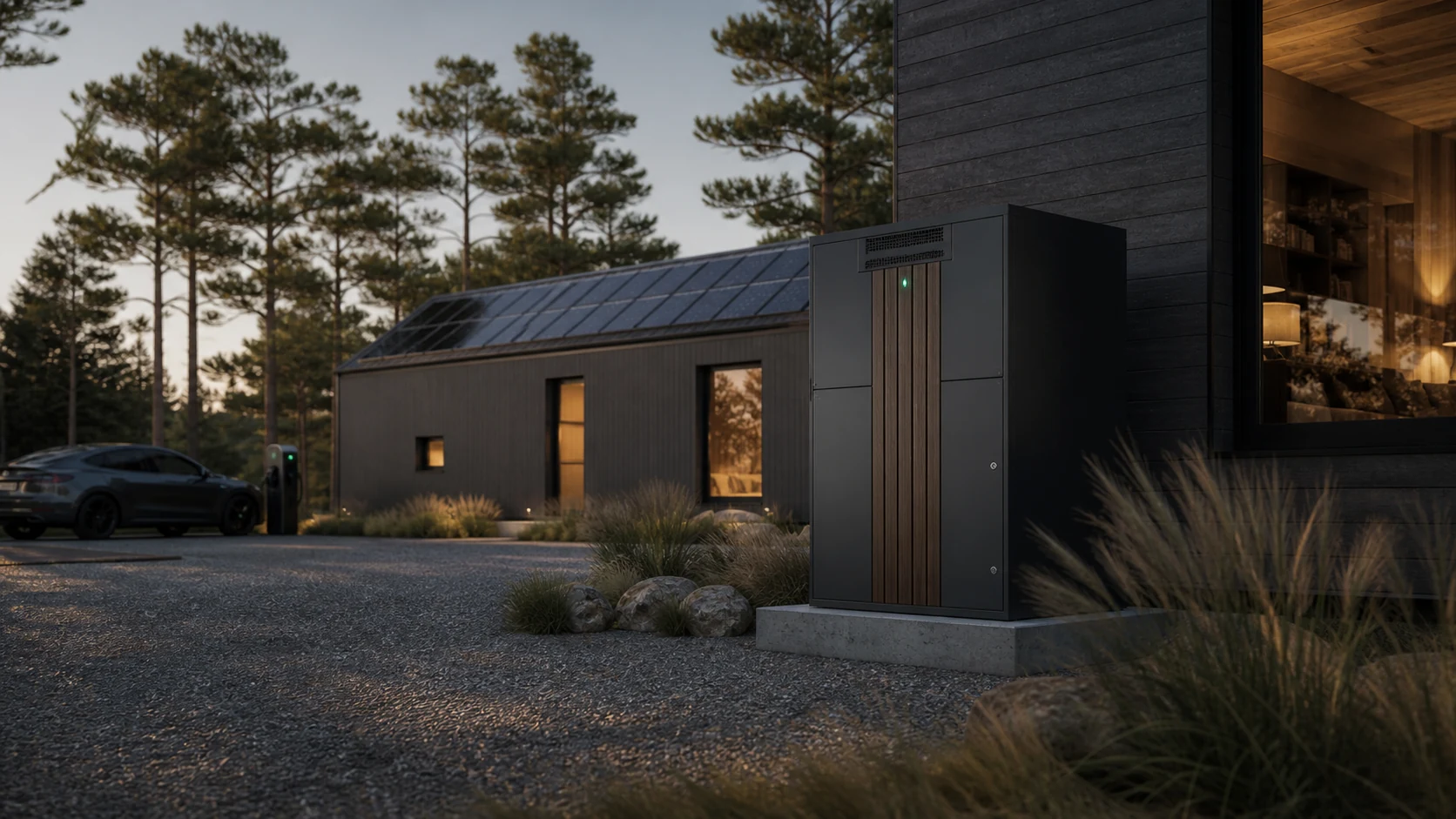
 Class 01
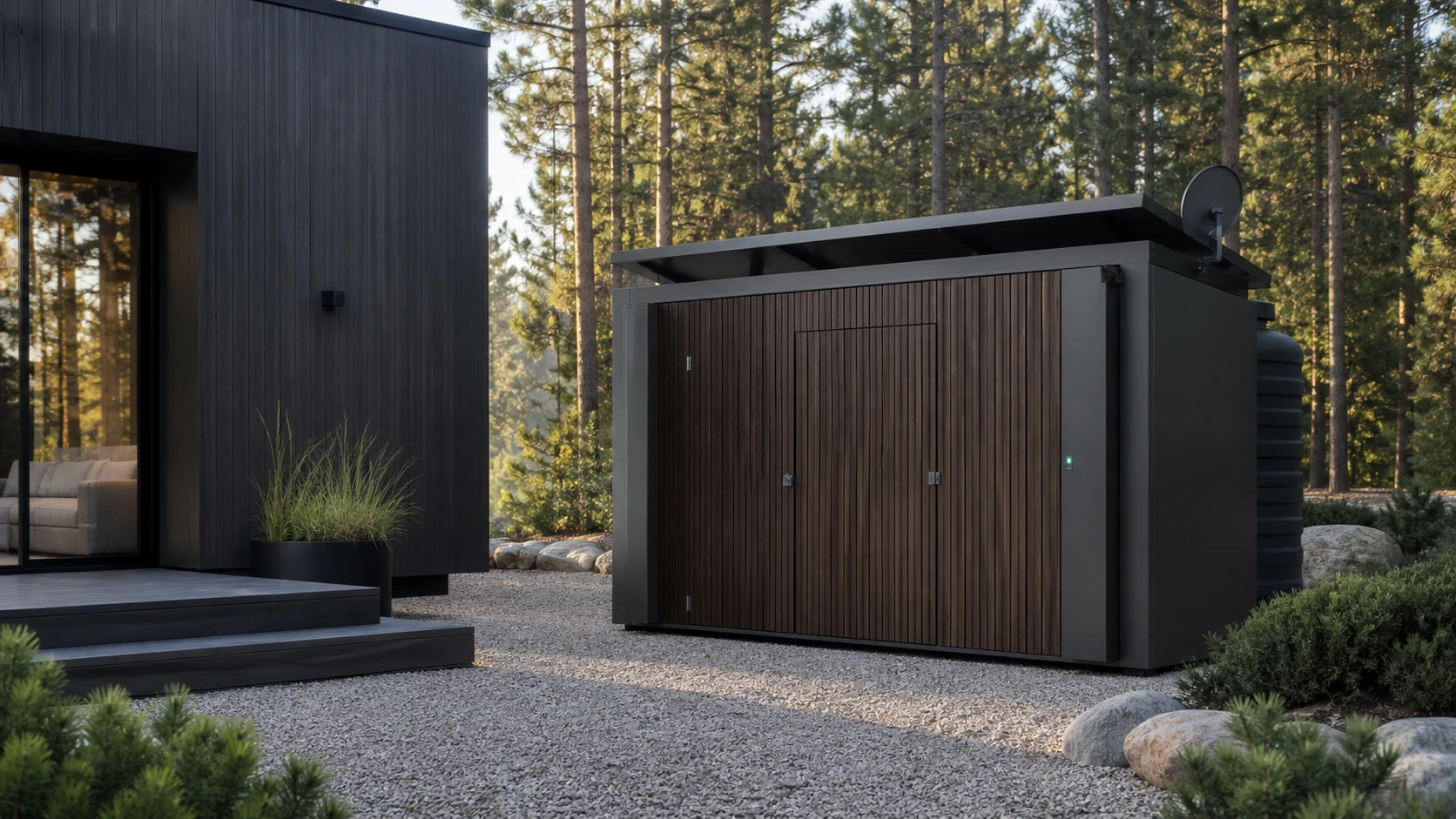
M-Box
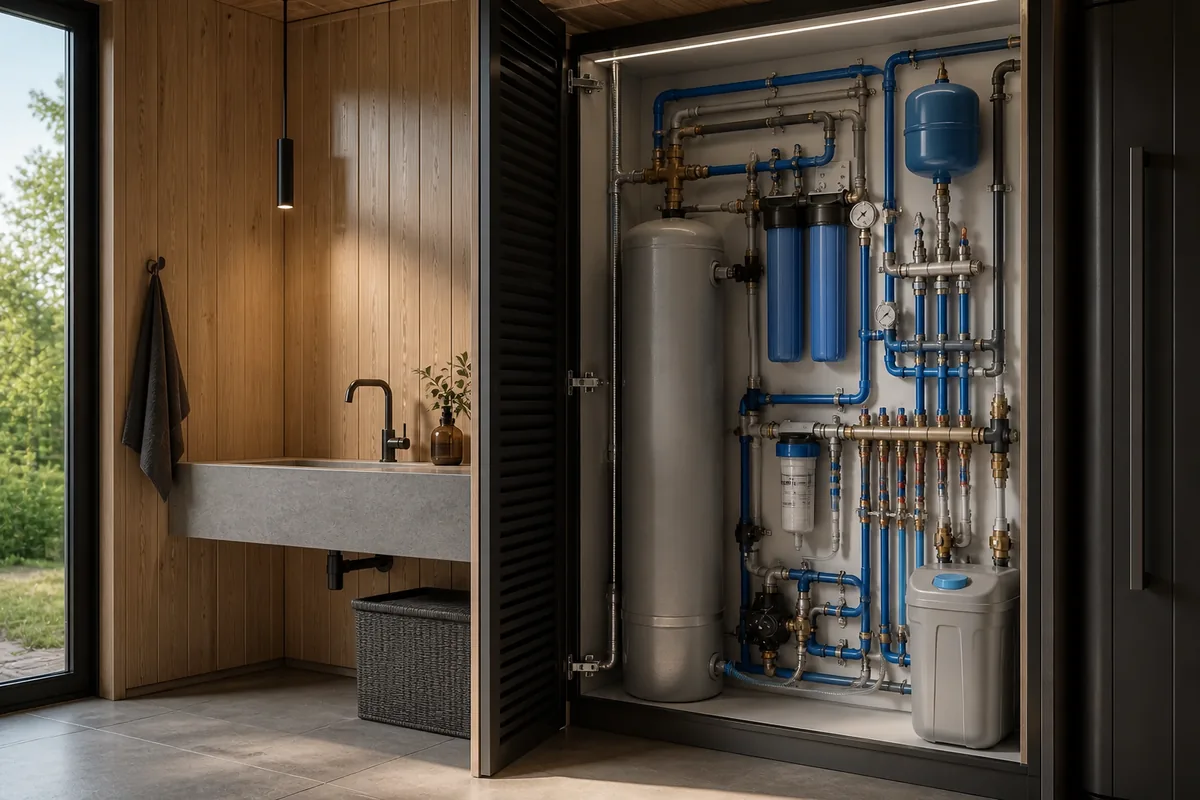
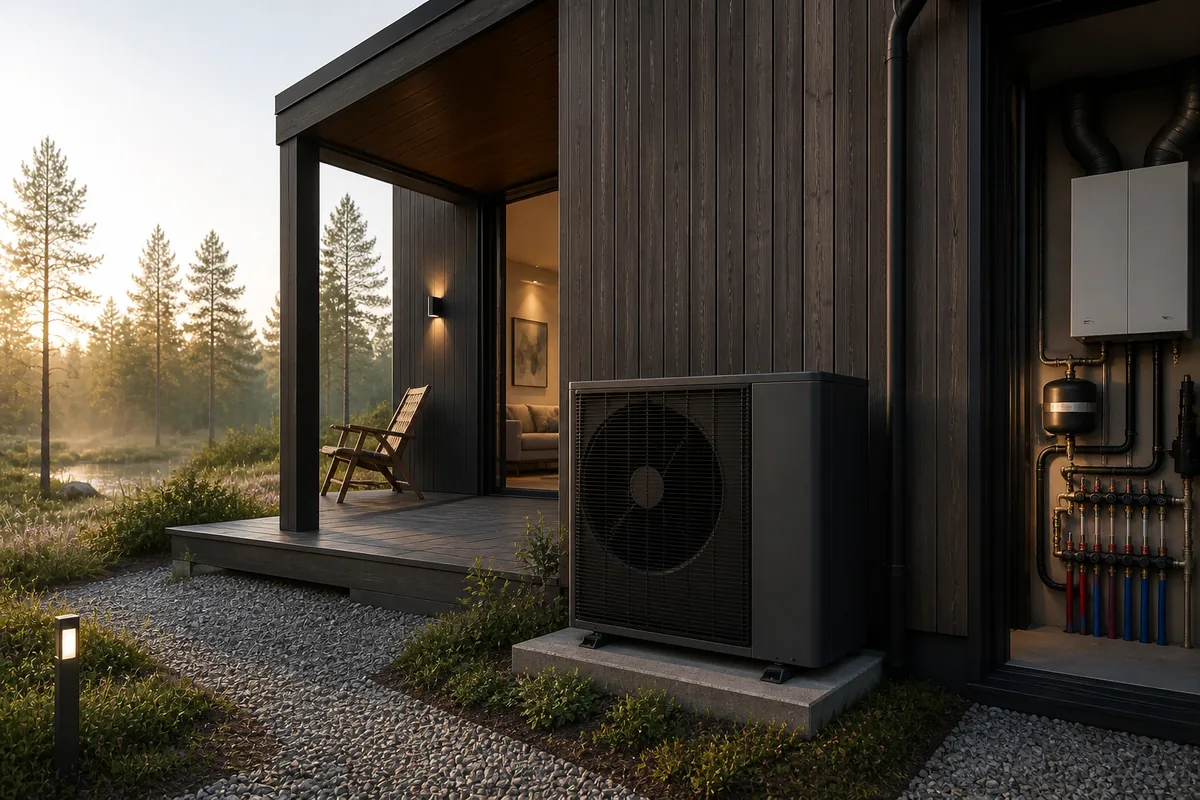
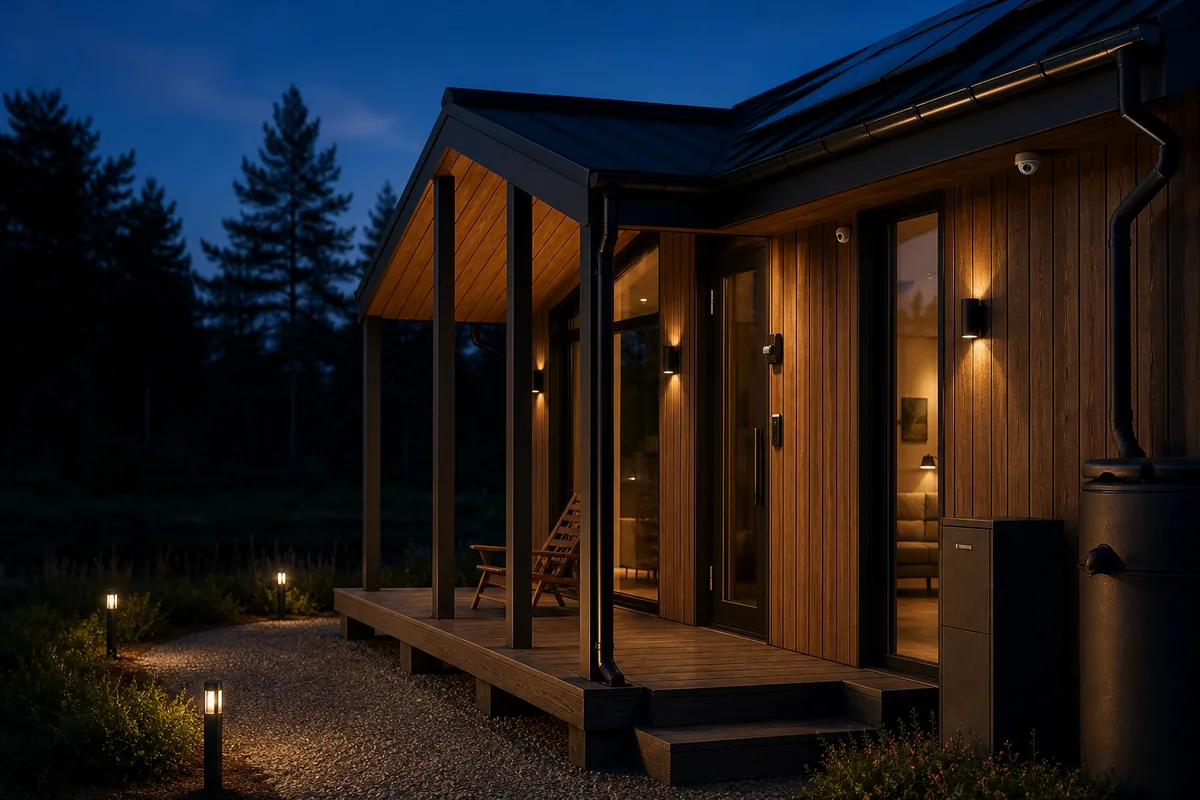
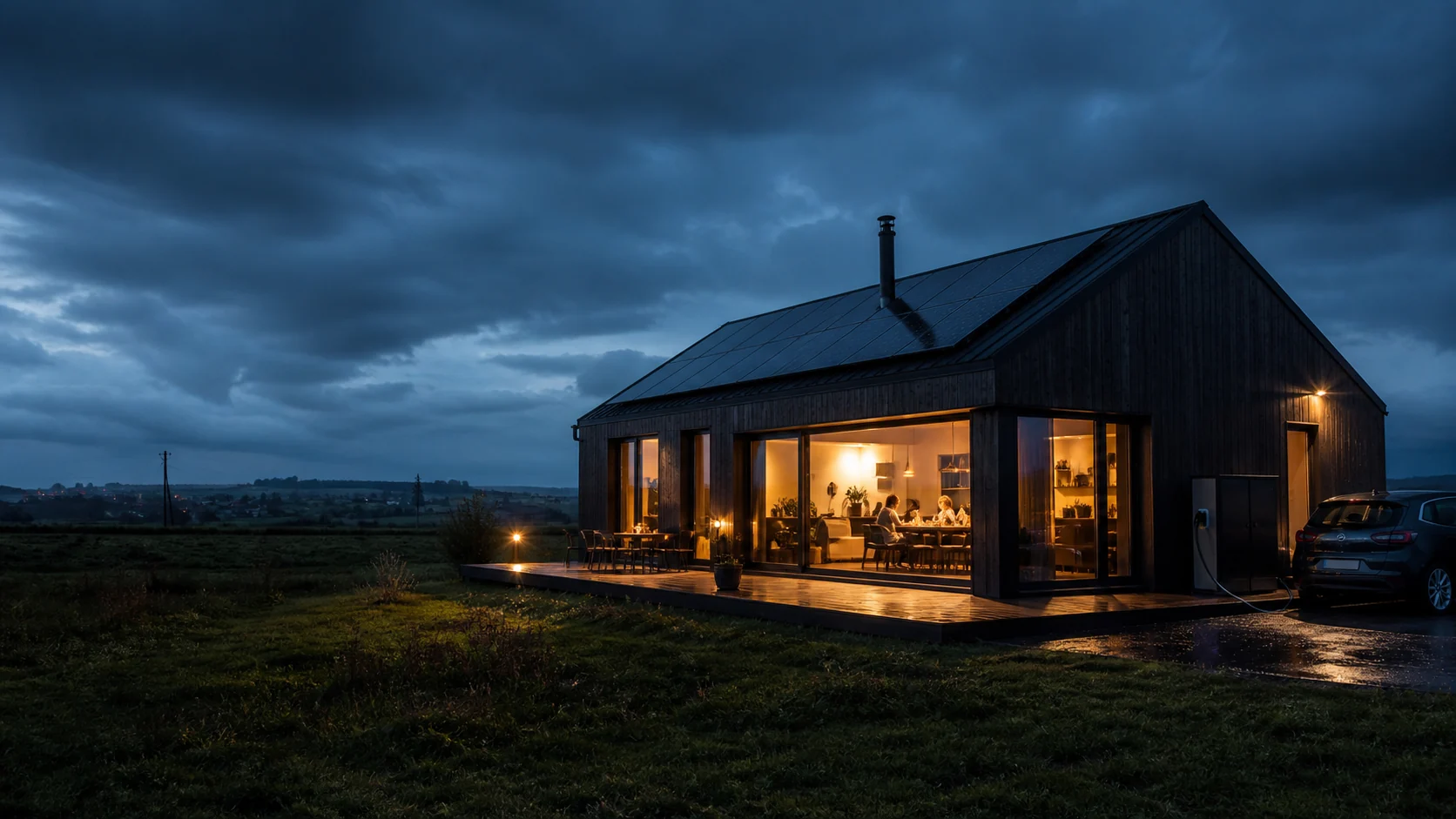
An outdoor energy cabinet for backup, automation and digital monitoring of one home.
- Storage
- 5–20 kWh*
- Power
- 3–12 kW*
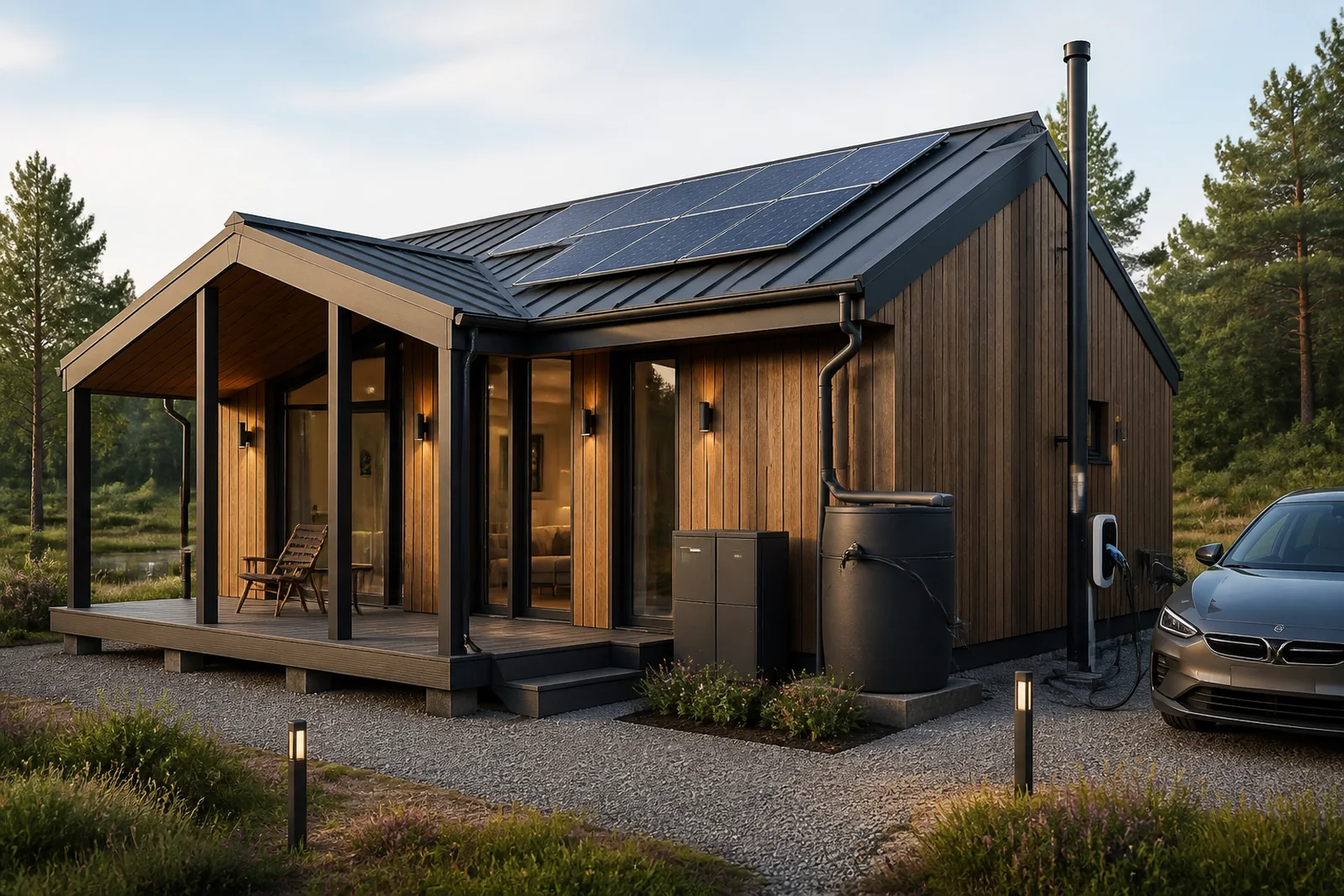
In development · not a ready product
We are exploring a future energy, water, climate and safety system. There is currently no ready, validated specification or launch date. ModulDim’s first pilot is a standard-design home without autonomy.
Control over dependencies
The grid can remain the primary source. But the home is prepared: it knows what to support during an outage, what reserves are available, how to protect water and heating, and when to alert the owner to a critical condition.
Future product concepts
The class is determined not by the desired number of batteries, but by the number of buildings, critical resources, power requirements and the system's responsibilities.
Class 01An outdoor energy cabinet for backup, automation and digital monitoring of one home.
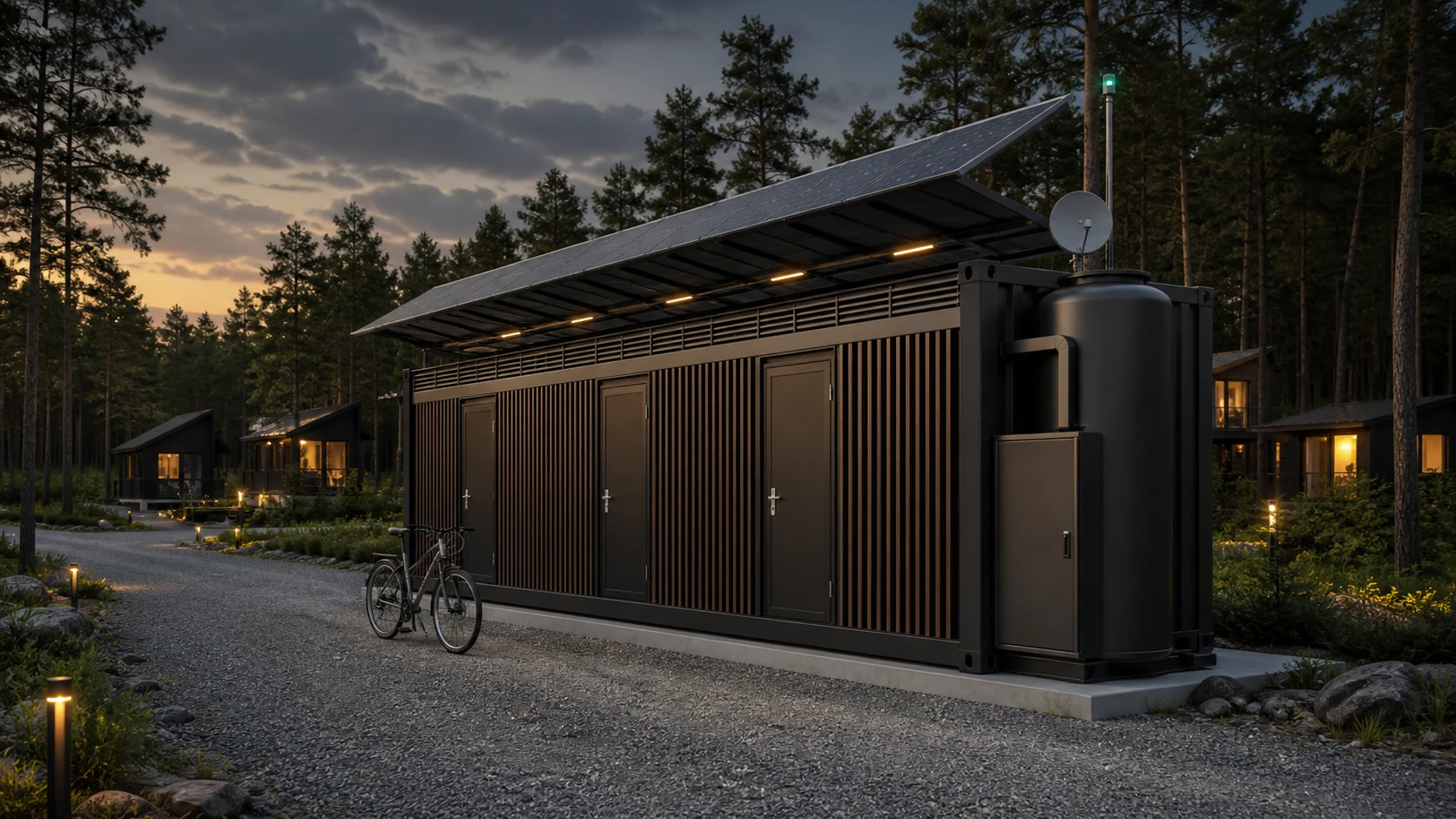
 Class 02
A separate pavilion for energy, water, backup and servicing a complex residential property.
 Class 03
A containerised resource centre and local microgrid for multiple homes or a business.
* Indicative class ranges. The actual configuration is determined by engineering calculations.
Selection, delivery, installation, operation, service and potential financing options in one product journey.
Four building systems
Choose a system to explore how it works. Equipment and feature availability depend on the specific project configuration.
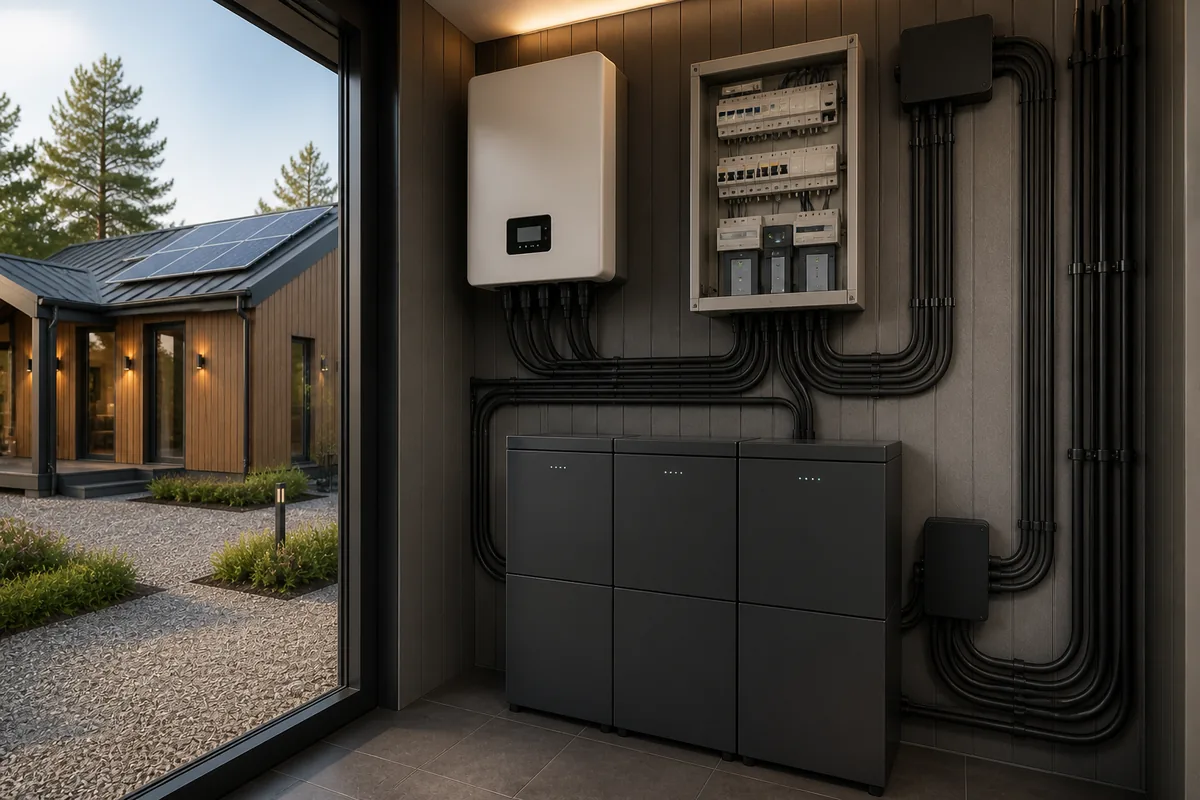
Energy system
The home separates critical and non-critical loads, uses the available source and shows the actual remaining backup time.
Resilience levels
The level is defined not by the number of gadgets, but by which functions the home must maintain, for how long and under what external conditions.
Basic resilience
Managed comfort
Enhanced autonomy
A specialised scenario
Preliminary configurator
The result is not a quotation and does not promise a specific capacity. It helps distinguish essential needs from unnecessary equipment before the first technical discussion.
From an idea to a working system
This avoids two extremes: an expensive system nobody uses, and inadequate backup that fails precisely when it is needed.
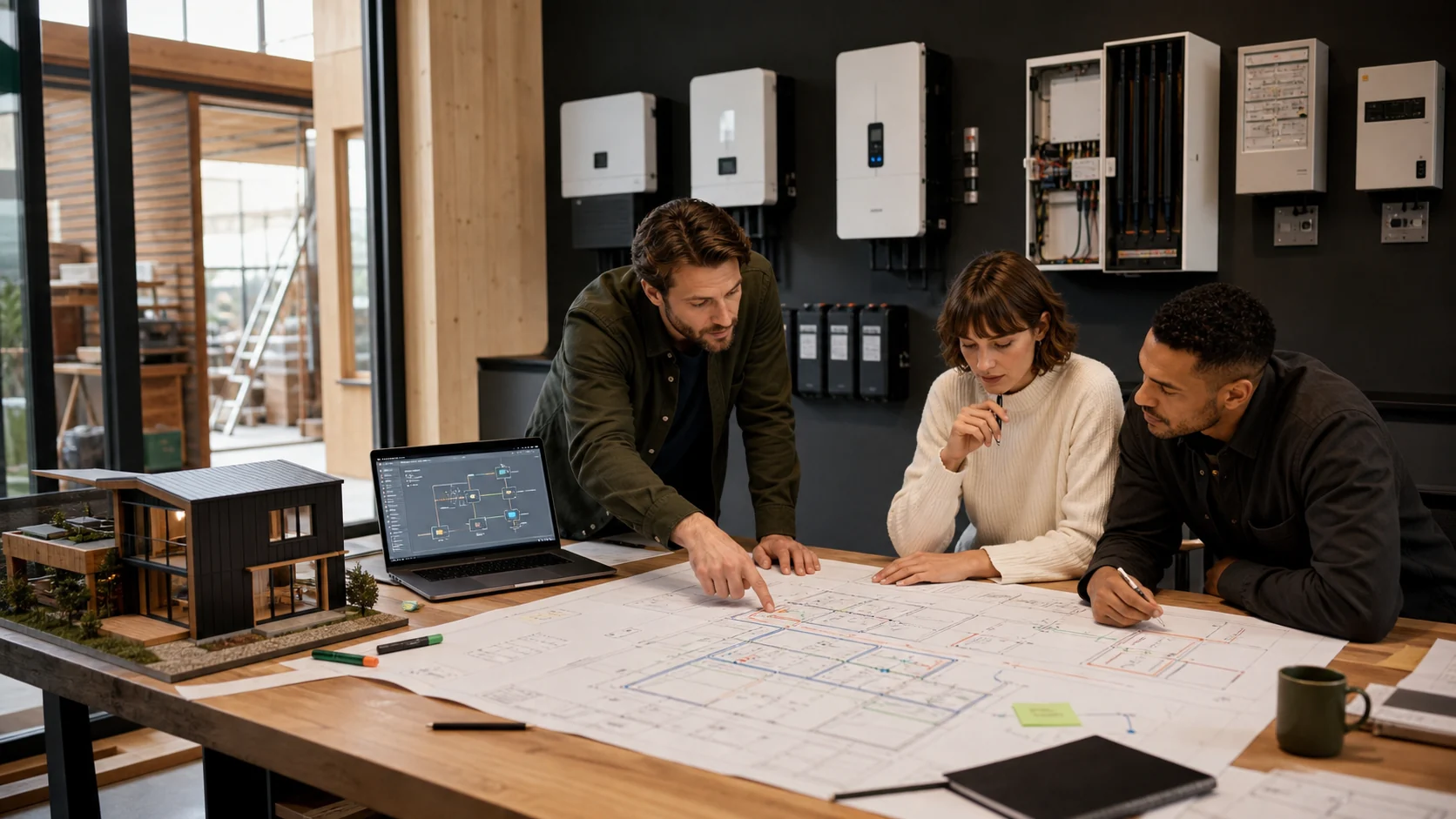
The scenario comes before the specification
People, the site, occupancy patterns and critical functions provide the inputs for the engineering design.
No magic or fine print
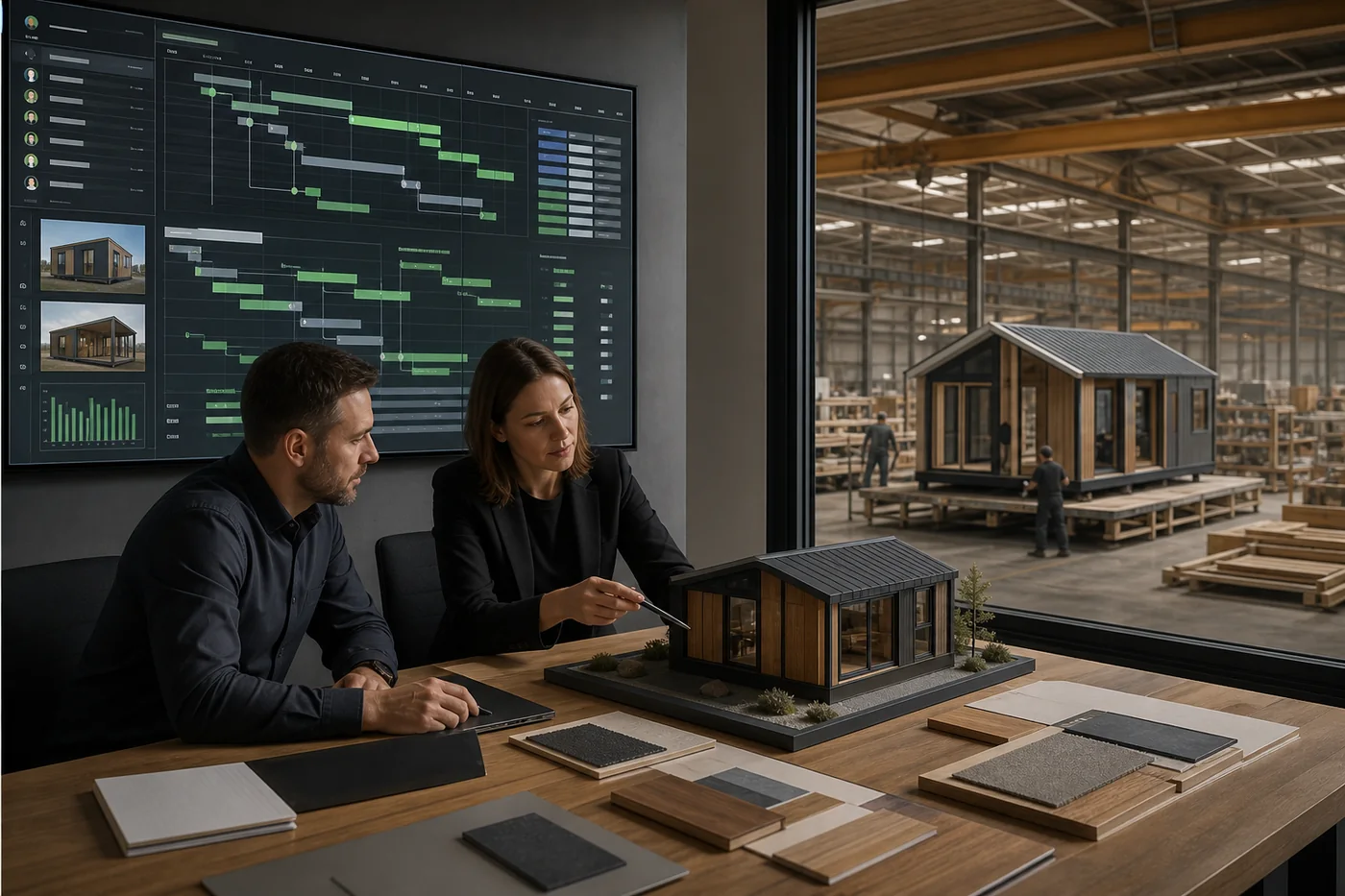
Architecture, structure, utilities, climate solutions and the production workflow are agreed for each project.
Solar generation, storage, water reserves and automation are possible development directions, not currently available packages.
We are developing an integrated digital system for operation, service, resources and the owner's interaction with their space.
Before a technical discussion
Usually not. It is more practical to protect critical functions first, define the required backup duration and only then decide whether full autonomy is justified.
Two homes of the same size can have different consumption profiles, household sizes, water sources, climate conditions and backup requirements. A universal kit either costs too much or fails to do the job.
No. ModulDim currently has no ready, validated solar-equipment offer. A future system requires engineering calculations, a cost estimate and specialist testing.
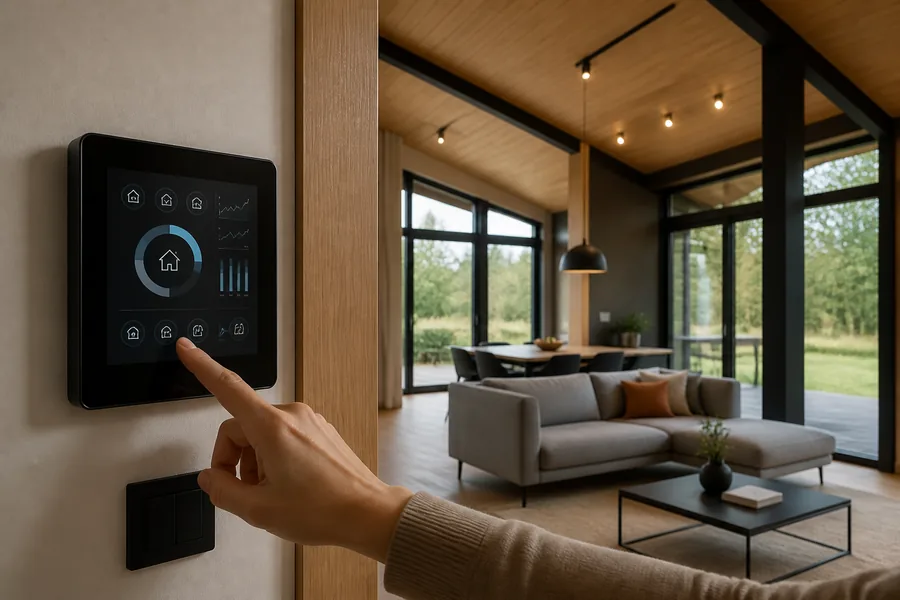
This is possible with suitable equipment, but ModulDim has not launched its own validated control package. The interfaces on this page are concepts.
Freedom has an engineering foundation
Share your preliminary scenario with our team. We will review the site, loads and resource sources, then define the next technical step.